



Adrenergic Receptor
Beta Receptor
Adrenergic receptors are a class of G protein-coupled receptors that are targets of the catecholamines, especially norepinephrine and epinephrine. Many cells possess these receptors, and the binding of a catecholamine to the receptor will generally stimulate the sympathetic nervous system. The sympathetic nervous system is responsible for the fight-or-flight response, which includes widening the pupils of the eye, mobilizing energy, and diverting blood flow from non-essential organs to skeletal muscle. There are two main groups of adrenergic receptors, α and β, with several subtypes. α receptors have the subtypes α1 and α2. β receptors have the subtypes β1, β2 and β3. All three are linked to Gs proteins, which in turn are linked to adenylate cyclase. Agonist binding thus causes a rise in the intracellular concentration of the second messenger cAMP. Downstream effectors of cAMP include cAMP-dependent protein kinase (PKA), which mediates some of the intracellular events following hormone binding.
Adrenergic Receptor Isoform Specific Products
All Product Categories
-
Adrenergic Receptor Inhibitors
(267)
View all products
-
Adrenergic Receptor Agonists
(502)
View all products
-
Adrenergic Receptor Antagonists
(545)
View all products
-
Adrenergic Receptor Activators
(45)
View all products
-
Adrenergic Receptor Modulators
(19)
View all products
-
Adrenergic Receptor Degrader
(1)
View all products
-
Adrenergic Receptor Controls
(8)
View all products
-
Adrenergic Receptor Substrates
(3)
View all products
-
Adrenergic Receptor Ligands
(17)
View all products
-
Adrenergic Receptor Related Products (1622)
Related Products (1622)

-
Antibodies (4)
-
Adrenergic Receptor Isoform Comparison
-
CXCR7 antagonist-1
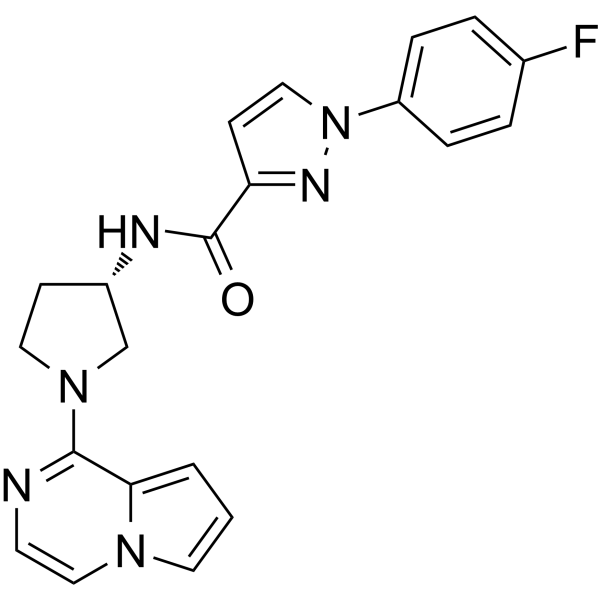 0 ImagesCXCR7 antagonist-1 is a CXCR7 antagonist that inhibits the binding of the SDF-1 chemokine (also known as the CXCL12 chemokine) or I-TAC (also known as CXCL11) to the chemokine receptor CXCR7. CXCR7 antagonist-1 is useful in preventing tumor cell proliferation, tumor formation, inflammatory diseases, and many other diseases.
-
Brimonidine
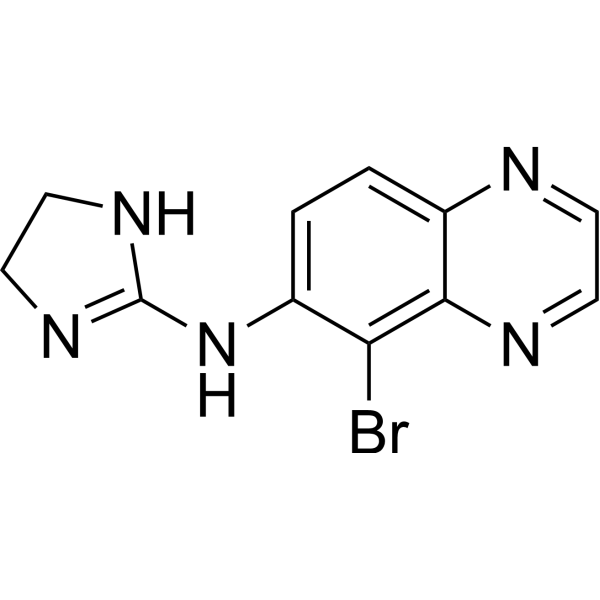 0 ImagesSynonyms: UK 14304; AGN190342Brimonidine (UK 14304) is a full α2-adrenergic receptor (α2-AR) agonist.
-
Hydroxybupropion
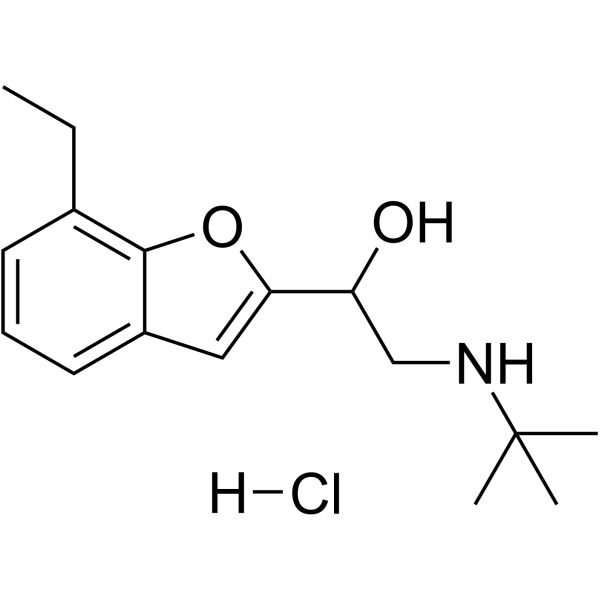
 0 ImagesHydroxybupropion is the major active metabolite of Bupropion. Hydroxybupropion is metabolized by CYP2B6. Bupropion is an atypical antidepressant and smoking-cessation agent. Hydroxybupropion inhibits norepinephrine uptake with an IC50 value of 1.7 μM. Hydroxybupropion is also a nACh receptor antagonist .
-
Phentolamine mesylate
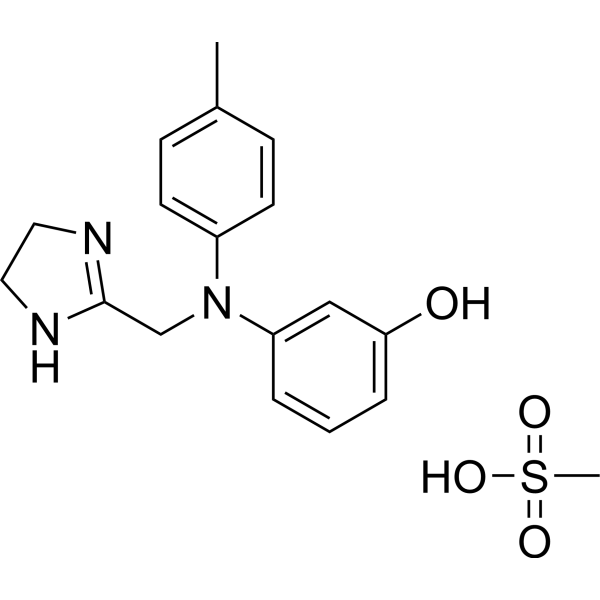 0 ImagesPhentolamine mesylate (Phentolamine methanesulfonate) is a reversible, non-selective, and orally active blocker of α1 and α2 adrenergic receptor that expands blood vessels to reduce peripheral vascular resistance. Phentolamine mesylate can be used for the research of pheochromocytoma-related hypertension, heart failure and erectile dysfunction.
-
Blonanserin
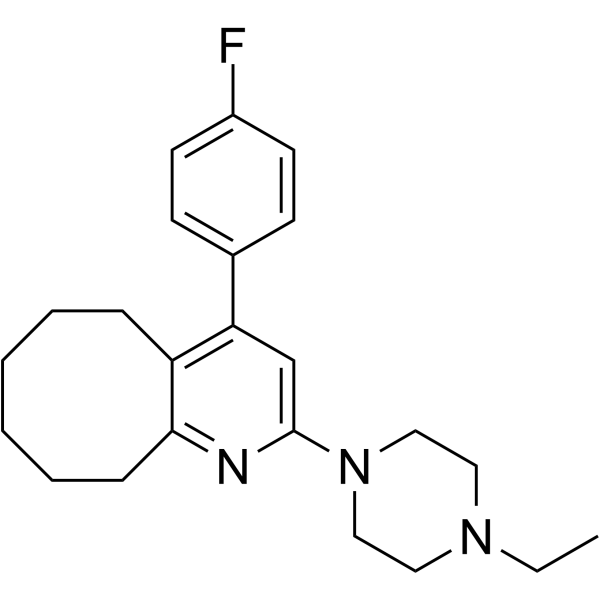 0 ImagesSynonyms: AD-5423Blonanserin (AD-5423) is a potent and orally active 5-HT2A (Ki=0.812 nM) and dopamine D2 receptor (Ki =0.142 nM) antagonist. Blonanserin is usually acts as an atypical antipsychotic agent and can be used for the research of extrapyramidal symptoms, excessive sedation, or hypotension.
-
Vibegron
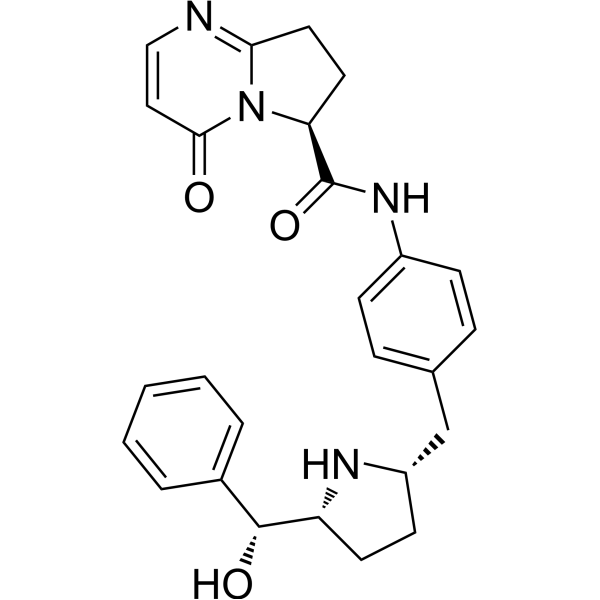 0 ImagesSynonyms: MK-4618Vibegron (MK-4618) is a potent, highly selective and orally active β3-adrenoceptor agonist (EC50=1.1 nM). Vibegron can be used for severe urgency urinary incontinence related to overactive bladder.
-
Scoulerine
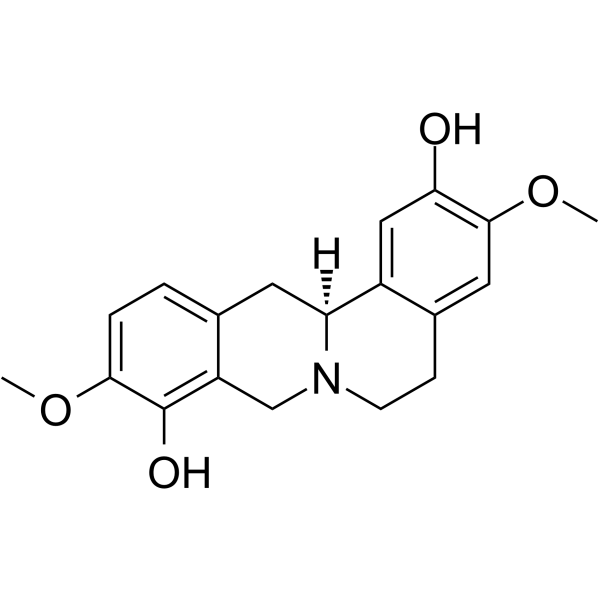 0 ImagesScoulerine ((-)-Scoulerine; Discretamine) hydrochloride is a multi-target inhibitor with anti-tumor and antioxidant activities. Scoulerine mainly targets the PI3K/Akt/mTOR signaling axis and α1D-adrenergic receptor, disrupts microtubule structure, and induces cell cycle arrest and apoptosis. Scoulerine effectively inhibits mitochondrial dehydrogenase activity, targets GABA receptors and BACE1, and suppresses the proliferation, migration, invasion, epithelial-mesenchymal transition and stem cell properties of cancer cells. Scoulerine also exhibits multiple pharmacological activities including anti-Plasmodium falciparum, antibacterial, antiemetic and antitussive effects, and regulates endoplasmic reticulum stress and mitochondrial function (modulates Bax, Bcl-2 and cytochrome c). Scoulerine is applicable to research related to leukemia, ovarian cancer, and colorectal cancer.
-
SR59230A hydrochloride
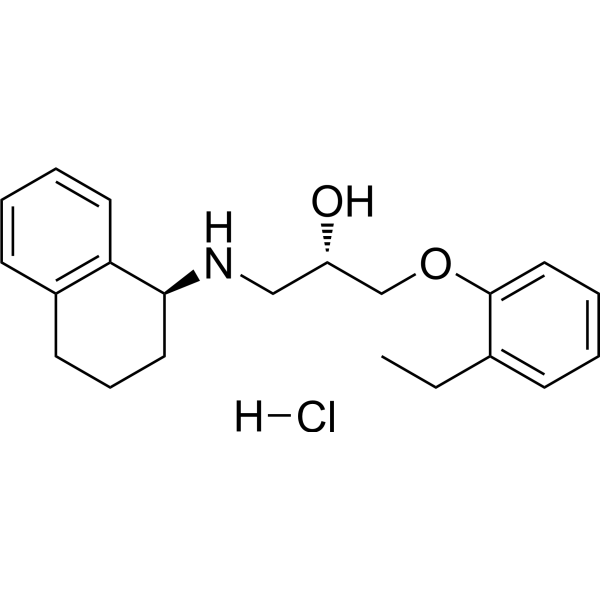 0 ImagesSR59230A hydrochloride is a potent, selective, and blood-brain barrier penetrating β3-adrenergic receptor antagonist with IC50s of 40, 408, and 648 nM for β3, β1, and β2 receptors, respectively.
-
Norepinephrine tartrate
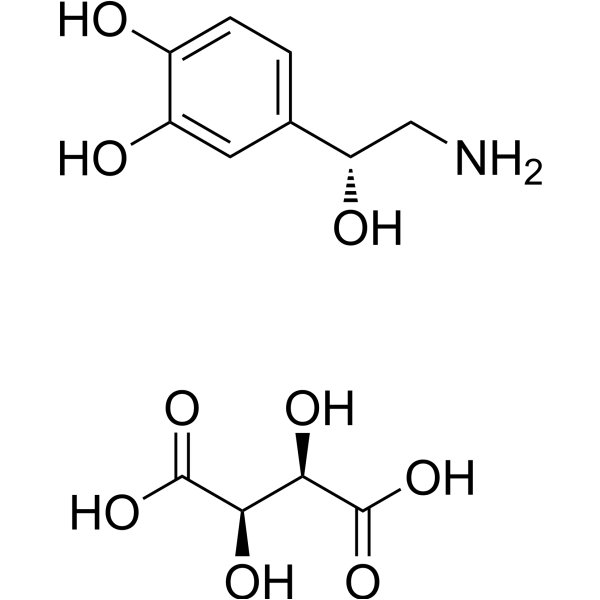 0 ImagesSynonyms: Levarterenol tartrate; L-Noradrenaline tartrateNorepinephrine (Levarterenol; L-Noradrenaline) tartrate is a potent adrenergic receptor (AR) agonist. Norepinephrine tartrate activates α1, α2, β1 receptors.
-
Indacaterol
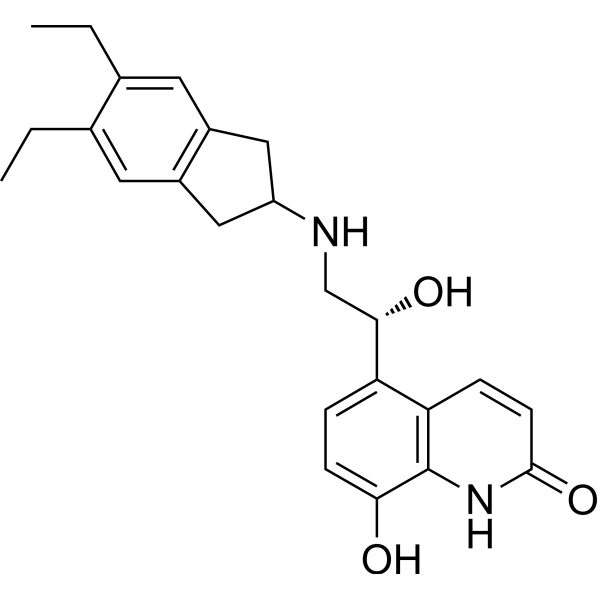 0 ImagesIndacaterol is an orally active ultra-long-acting β2 adrenergic receptor (ADRB2) agonist. Indacaterol inhibits NF-κB activity in a β-arrestin2-dependent manner, preventing further lung damage and improving lung function in COPD (chronic obstructive pulmonary disorder). Indacaterol can also be used in cardiovascular disease research.
-
Brimonidine tartrate
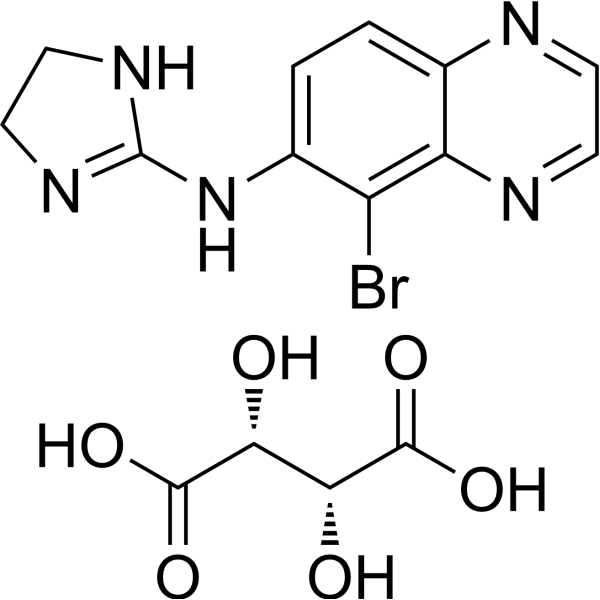 0 ImagesSynonyms: UK 14304 tartrate; AGN190342 tartrateBrimonidine tartrate (UK 14304 tartrate) is a full α2-adrenergic receptor (α2-AR) agonist.
-
DL-Norepinephrine-d6 hydrochloride
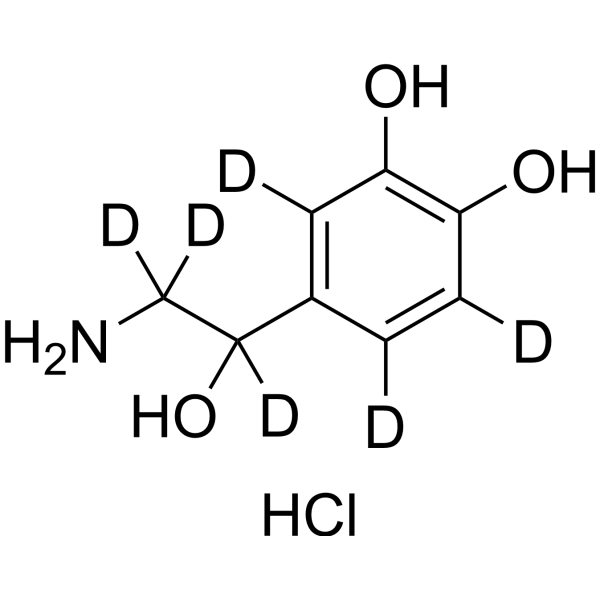 0 ImagesDL-Norepinephrine-d6 hydrochloride is the deuterium labeled DL-Norepinephrine hydrochloride. DL-Norepinephrine hydrochloride is an external racemic catecholamine neurotransmitter, which is an equal mixture of the left-handed (L-, with activity) and right-handed (D-, with very low or no activity) stereoisomers. DL-Norepinephrine hydrochloride after being labeled with tritium can be used as a tracer for the research on Parkinson's disease.
-
Dronedarone
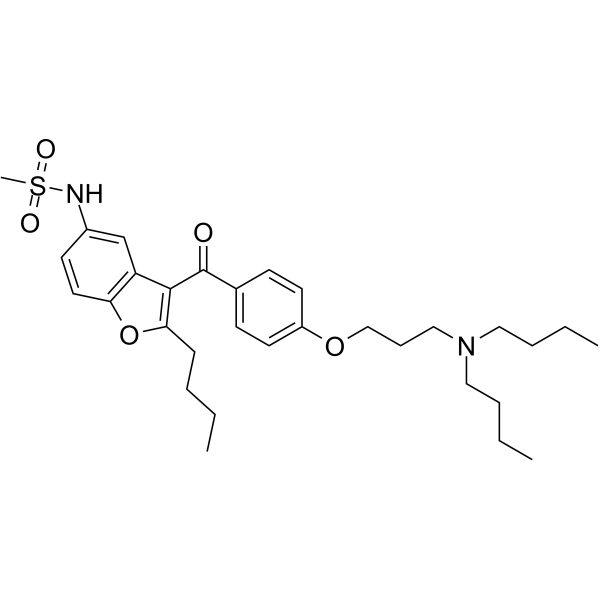 0 ImagesSynonyms: SR 33589Dronedarone (SR 33589), a derivative of amiodarone (HY-14187), is a class III antiarrhythmic agent for the study of atrial fibrillation (AF) and atrial flutter. Dronedarone is a potent blocker of multiple ion currents, including potassium current, sodium current, and L-type calcium current, and exhibits antiadrenergic effects by noncompetitive binding to β-adrenergic receptors. Dronedarone is a substrate for and a moderate inhibitor of CYP3A4.
-
Ecopipam hydrochloride
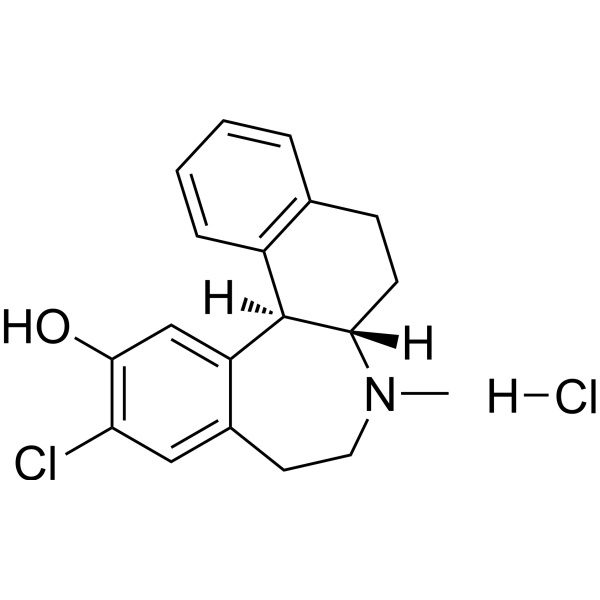 0 ImagesSynonyms: SCH 39166 hydrochlorideEcopipam (SCH 39166) hydrochloride is a potent, selective and orally active antagonist of dopamine D1/D5 receptor, with Kis of 1.2 nM and 2.0 nM, respectively. Ecopipam hydrochloride shows more than 40-flod selectivity over D2, D4, 5-HT, and α2a receptor (Ki=0.98, 5.52, 0.08, and 0.73 μM, respectively). Ecopipam hydrochloride can be used for the research of schizophrenia and obesity.
-
Carazolol
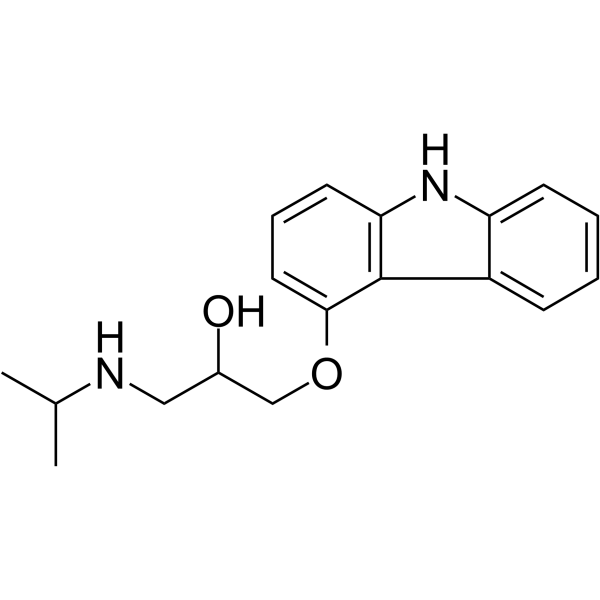 0 ImagesSynonyms: (±)-Carazolol; DL-Carazolol; SuacronCarazolol is a β1/β2 adrenoceptor antagonist of high potency used in the research of hypertension. Carazolol is also a potent, selective β3-adrenoceptor agonist.
-
Bambuterol hydrochloride
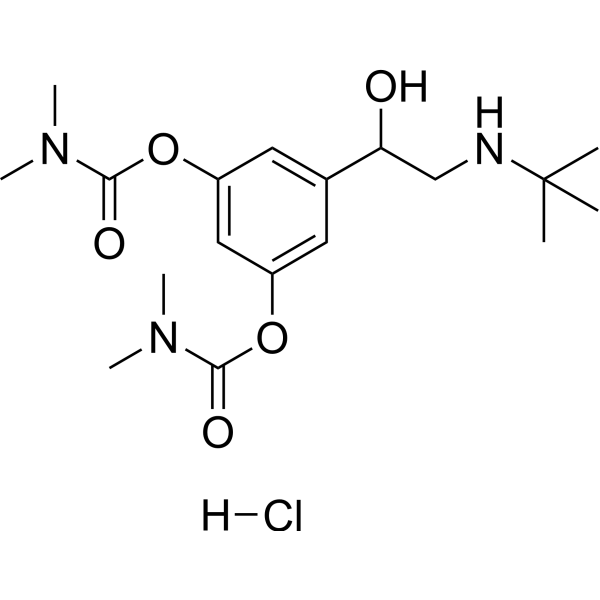 0 ImagesSynonyms: (±)-Bambuterol hydrochloride; KWD-2183 hydrochlorideBambuterol hydrochloride ((±)-Bambuterol hydrochloride; KWD-2183 hydrochloride) is a long acting beta-adrenoceptor agonist (LABA) used in the treatment of asthma; it also is a proagent of terbutaline.
-
DL-Norepinephrine hydrochloride
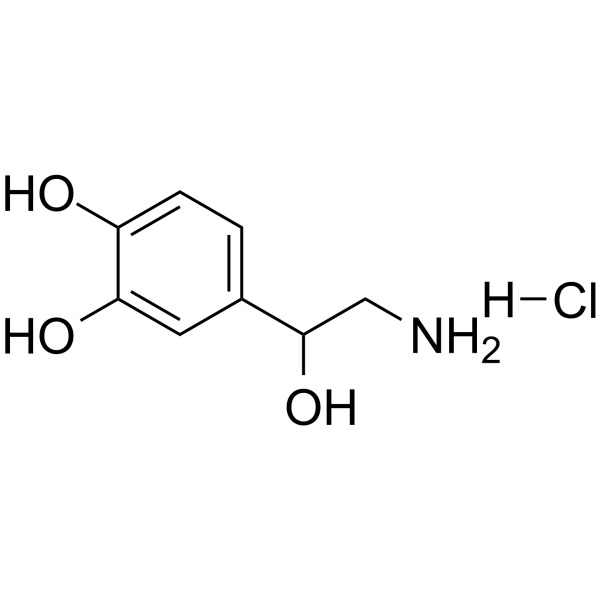 0 ImagesDL-Norepinephrine hydrochloride is an external racemic catecholamine neurotransmitter, which is an equal mixture of the left-handed (L-, with activity) and right-handed (D-, with very low or no activity) stereoisomers. DL-Norepinephrine hydrochloride after being labeled with tritium can be used as a tracer for the research on Parkinson's disease.
-
(R)-Carvedilol
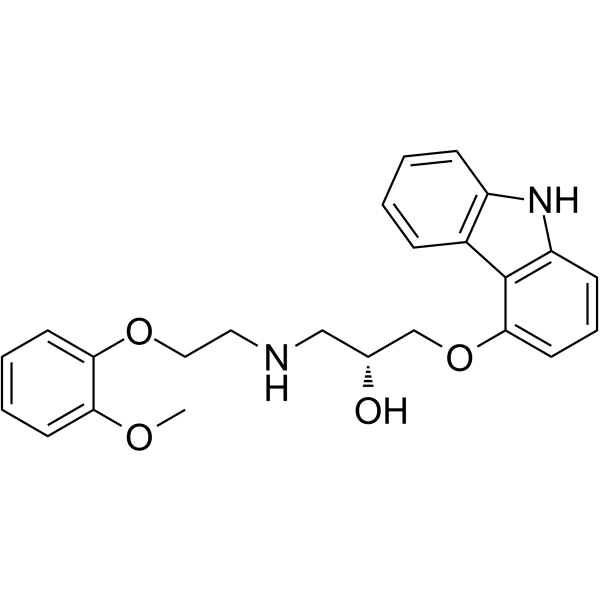 0 ImagesSynonyms: (R)-BM 14190(R)-Carvedilol ((R)-BM 14190) is the orally active R-isomer of Carvedilol (HY-B0006). (R)-Carvedilol has α-receptor blocking activity but no β-receptor blocking activity. (R)-Carvedilol inhibits spontaneous Ca2+ waves. (R)-Carvedilol inhibits stress-induced ventricular tachycardia and delays the development of UV-induced skin tumors and reduces their malignancy.
-
Salmeterol xinafoate
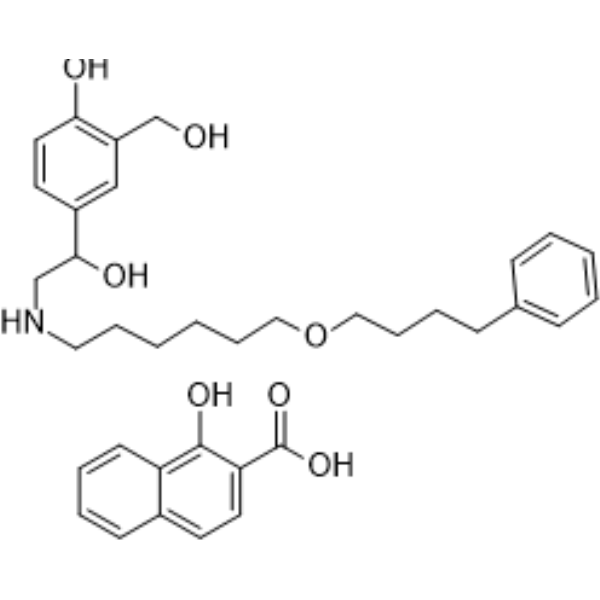 0 ImagesSynonyms: GR 33343X xinafoateSalmeterol (GR 33343X) xinafoate is a potent and selective human β2 adrenoceptor agonist. Salmeterol shows potent stimulation of cAMP accumulation in CHO cells expressing human β2, β1 and β3 adrenoceptors with pEC50s of 9.6, 6.1, and 5.9, respectively.




